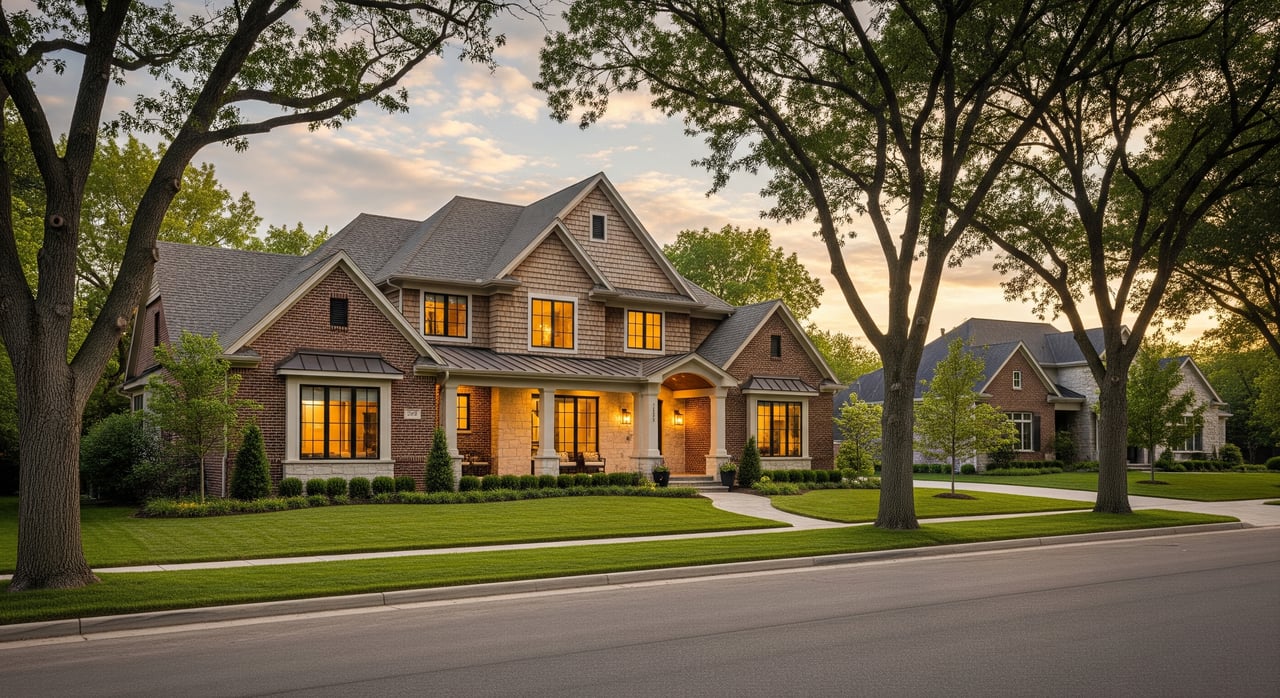
Thinking about a move to southwest Omaha and wondering what day-to-day life really feels like in Millard? You’re not alone. Many buyers look here for a comfortable suburban rhythm with strong community ties and easy access to the rest of the metro. In this guide, you’ll get a clear picture of Millard’s neighborhoods, schools, parks, commutes, and housing essentials so you can decide if it fits your priorities. Let’s dive in.
Millard at a Glance
Millard sits in southwest Omaha in Douglas County. It is a large, established suburban area made up of multiple subdivisions and local commercial corridors. You’ll find a residential feel with neighborhood schools and parks that act as gathering spots.
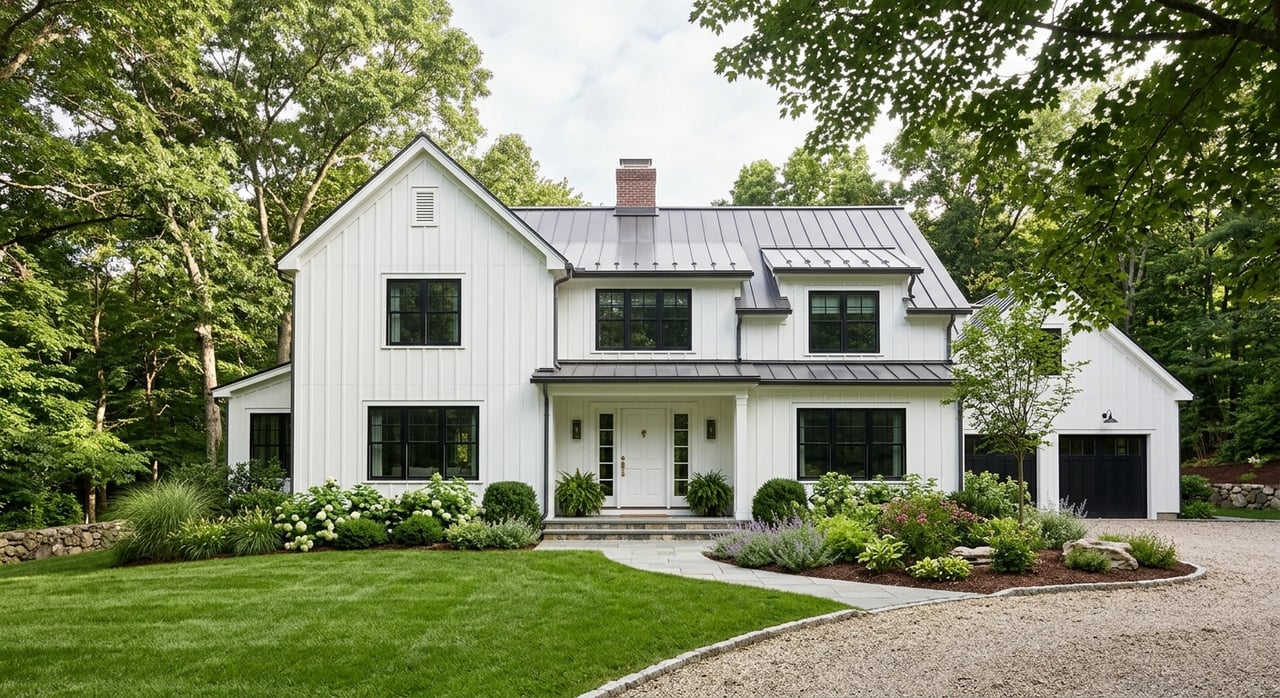
The development pattern here is suburban rather than urban. Expect curving streets, cul-de-sacs, and planned subdivisions with covenants. Housing ranges from mid-20th-century homes in older pockets to a lot of construction from the 1980s through the 2000s, plus newer builds along the edges.
Many households include school-age children, and there is a mix of owners and renters across the area. For exact demographic details such as age, household size, or commute data, you can review the latest U.S. Census Bureau American Community Survey tables for Millard’s census tracts.
Schools and Education
Public schools overview
Millard Public Schools serves most of the area and is one of Nebraska’s larger districts. The district offers elementary, middle, and high schools with a range of extracurriculars and advanced coursework. If schools are a top priority for you, review current district resources for programs, enrollment, and boundary maps.
High schools
Three public high schools serve Millard: Millard North, Millard South, and Millard West. Each offers athletics, music, and AP or college-credit options. School boundary lines can change, so verify current boundaries and feeder patterns directly with the district when you are narrowing down homes.
Private and early options
You will also find private and parochial schools in the broader Omaha area, along with charter options. Childcare centers and preschools are widely available, and higher education is accessible by car across the metro, including community colleges and universities.
Parks and Recreation
Millard residents enjoy plenty of neighborhood parks, walking paths, and playgrounds. Within a short drive, a well-known reservoir and park complex provides trails, fishing, picnic spaces, and seasonal programming. It is a popular weekend spot for many southwest Omaha households.
Organized youth sports and community pools are part of local life. You can find leagues through schools and civic groups, along with indoor recreation facilities nearby. If you like getting outside or staying active, you will have options close to home.
Shopping and Services
Everyday errands are straightforward in Millard. Local commercial corridors offer grocery stores, cafés, restaurants, fitness options, and service businesses. For bigger shopping trips or specialty dining, residents often drive to larger retail nodes elsewhere in the Omaha metro.
Healthcare options include primary care, urgent care, and specialist clinics in and around Millard. Major hospitals across Omaha are reachable by car. Branch libraries and community centers are also within a short drive for most neighborhoods.
Commute and Transit
Millard is primarily car oriented. Most residents drive to work, school, and activities, and proximity to major arterials will influence your commute and shopping convenience.
Commute times to downtown Omaha are generally moderate. Many parts of Millard are within about a 20 to 35 minute drive of downtown, depending on traffic and your exact location. If you want a precise read for your schedule, try a test drive at your typical commute time.
Public transit coverage is more limited here compared with central Omaha. Some routes serve parts of southwest Omaha, but many households rely on cars, school buses, ride-hailing, and carpools.
Homes and Housing Costs
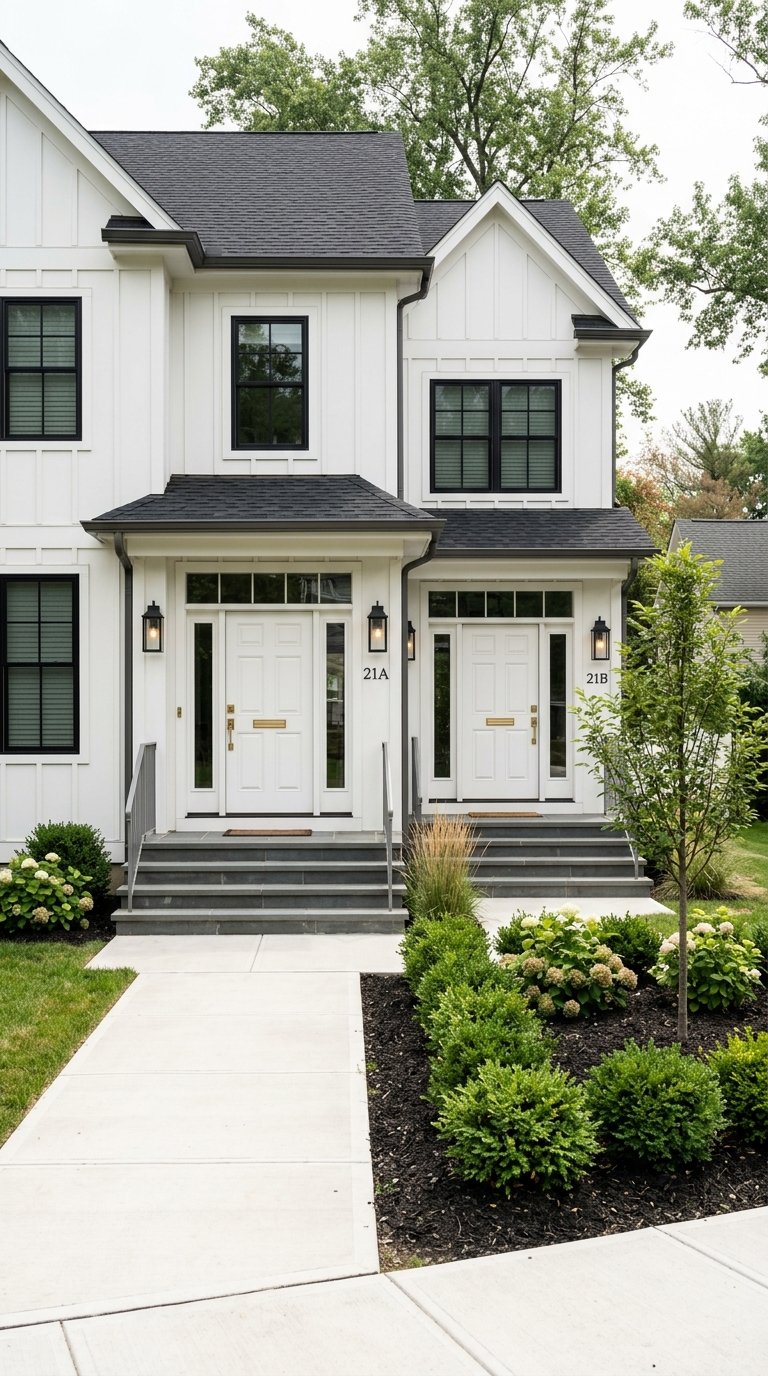
Single-family detached homes are the most common housing type in Millard. You will also find duplexes, townhomes, and apartments in select areas. Lot sizes vary from modest suburban yards to larger lots in some newer subdivisions on the edges.
Prices in Millard have historically sat at or slightly above the broader Omaha median, influenced by the school district and family-focused amenities. Because market conditions change quickly, it is smart to review current MLS or local broker snapshots for median sale prices, days on market, and inventory when you are ready to shop.
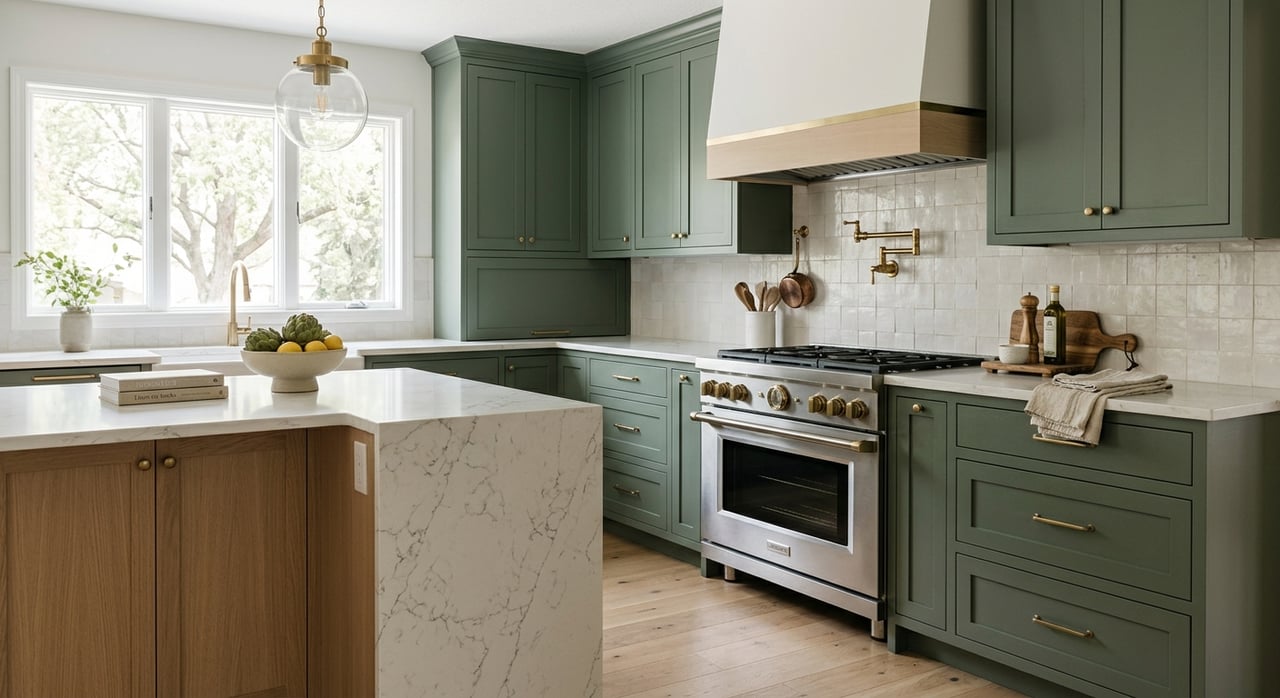
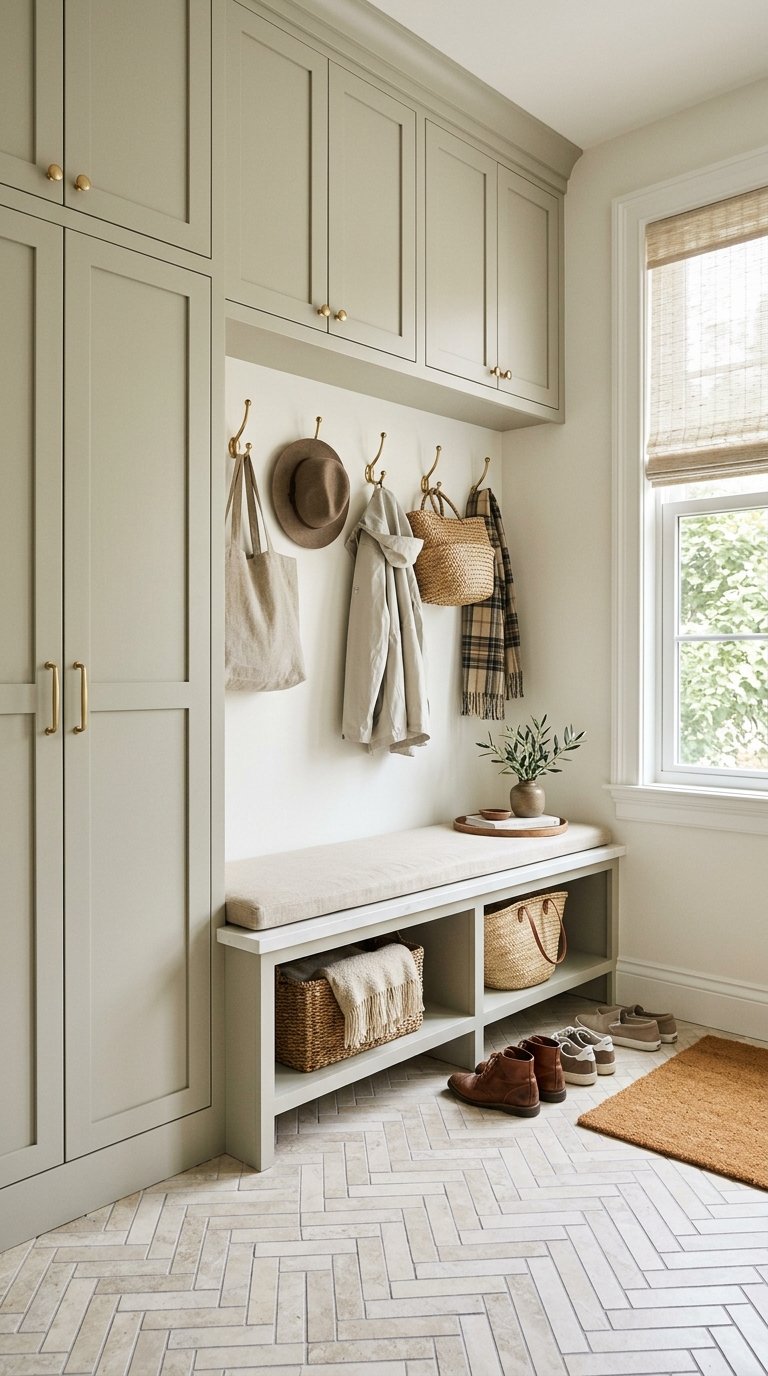
Popular features for resale here include additional bedrooms, finished basements, and updated kitchens. Newer construction on the outskirts may offer builder warranties and modern floor plans.
Taxes, Utilities and HOAs
Property taxes are set by overlapping tax districts that can include city, county, and school levies. The Douglas County Assessor and Treasurer provide current rates and parcel-specific data you can review during due diligence.
Utility connections vary by subdivision. Many homes connect to municipal water and sewer, while others may use private well or septic systems. Confirm utility details through seller disclosures and county records before you write an offer.
Many subdivisions in Millard have homeowners associations or deed restrictions. Obtain the HOA documents early in the process so you understand rules, fees, exterior guidelines, and any planned assessments.
Community Life and Events
Schools, parks, churches, and local business districts often act as community hubs in Millard. School events, from sports to theater, frequently anchor the social calendar.
You can expect seasonal activities like holiday lightings, neighborhood garage sales, and parks programming. Local chambers, civic groups, and parent organizations host recurring events that make it easy to meet neighbors and get involved.
Is Millard Right for You?
Millard could be a great fit if you want a suburban lifestyle with neighborhood parks, local schools, and reliable car access to the rest of Omaha. It also works well if you prefer the variety of single-family homes and townhomes across different price points and ages.
Potential tradeoffs to consider include limited public transit and lower walkability in many areas. Some corridors see typical suburban traffic at school start and end times. If you prefer a highly urban setting with nightlife within a short walk, you may want to compare other Omaha neighborhoods.
Smart Buyer Checklist
Use this quick list to keep your Millard search focused and stress free:
- Verify school assignment with the district boundary lookup for any address you are considering.
- Review current market data for the specific subdivision, including median sale price and days on market.
- Request HOA documents early, including rules, fees, financials, and recent meeting minutes.
- Confirm utilities and services for the property, including water, sewer, well, or septic.
- Check floodplain status and any special assessment districts using county and FEMA maps.
- Do a live commute test at your typical travel times to your workplace or campus.
- Map out nearby childcare, after-school programs, healthcare providers, and grocery options.
Next Steps
If Millard sounds like home, the next move is to align your budget, must-haves, and preferred school or commute parameters with the right neighborhoods. A guided search will help you compare subdivisions, spot strong listings early, and understand the tradeoffs between home age, lot size, and location.
When you are ready to explore, reach out to our team for a local, hands-on plan. We are happy to walk you through school boundary checks, HOA reviews, and offer strategies tailored to your goals. Connect with Emily Lynch to schedule your free consultation and start your Millard home search with confidence.
FAQs
What part of Omaha is Millard in?
- Millard is in southwest Omaha within Douglas County. It is a large, established suburban area made up of multiple subdivisions and local commercial corridors.
How long is the commute from Millard to downtown Omaha?
- Many parts of Millard are about a 20 to 35 minute drive to downtown, depending on traffic and the specific neighborhood.
Which public school district serves Millard?
- Most of Millard is served by Millard Public Schools, which includes elementary, middle, and three main high schools. Always verify current boundaries with the district.
Are there parks and trails in Millard?
- Yes. Neighborhood parks, walking trails, and playgrounds are common, and a nearby reservoir and park complex offers trails, fishing, and picnic areas within a short drive.
What types of homes are common in Millard?
- Single-family homes are most common, with duplexes, townhomes, and apartments in select areas. Home ages range from mid-20th century to newer edge-of-area subdivisions.
Are HOAs common in Millard?
- Many subdivisions have HOAs or deed restrictions. Review HOA rules, fees, and meeting minutes during due diligence to understand obligations before closing.
How walkable is Millard and what about transit?
- Millard is primarily car oriented and public transit coverage is limited compared with central Omaha. Most residents drive for work, errands, and activities.
What should first-time buyers prioritize in Millard?
- Focus on your budget, school boundaries if relevant, HOA rules and fees, utility types, and commute times. Consider townhomes or homes near main corridors for added convenience.