If your Gretna new construction home is not getting the attention you expected, the price may be the reason. Buyers in today’s market have more choices, more builder incentives, and more room to compare monthly payment, features, and overall value. The good news is that with the right pricing strategy, you can still stand out, attract serious buyers, and protect your bottom line. Let’s dive in.
Why pricing matters more now
Gretna is still growing, and that matters when you are selling a newer home. According to the City of Gretna, local planning and development continue to shape the city’s housing pipeline, which means buyers are seeing a steady flow of new options.
At the same time, market data sends a mixed message. Realtor.com’s Gretna overview labeled Gretna a buyer’s market in January 2026, while Sarpy County overall appeared more balanced. In other words, you cannot rely on a broad headline to price your home. Your price needs to match your exact product type, condition, and competition.
Know your real competition
When sellers think about comps, they often look only at recent resales. In Gretna, that is only part of the picture because buyers are also comparing your home to active new builds.
Realtor.com’s new-construction listings in Gretna show 213 new-construction homes for sale, with a median listing price of $284,990. That number includes a wide range of housing types, from townhomes to large custom homes, so the key is to compare your home to the right segment.
A townhome is not competing with a custom home, and an entry-level single-family home is not competing with a move-up property with upgraded finishes. Current Gretna new-construction listings range from about $284,990 to $1.95 million, with many move-up options clustered in the high-$300s to low-$700s. That spread is exactly why segment-specific pricing matters.
Compare by product type
Start by identifying which bucket your home fits into:
- Townhome or attached home
- Entry-level single-family home
- Move-up single-family home
- Custom or higher-end home
Once you know your segment, compare your home to listings and recent sales with similar square footage, lot type, age, finish level, and garage setup. A broad neighborhood average can be misleading if the housing mix is wide.
Buyers compare value, not just size
One of the biggest pricing mistakes sellers make is assuming a newer resale should automatically command a premium over older homes nearby. In Gretna, buyers are often comparing your home to builder inventory that feels turnkey and polished from day one.
According to Homes.com’s Gretna new-home listings, many active communities highlight features like open-concept layouts, finished basements, two- or three-car garages, quartz countertops, stainless appliances, and smart-home or low-maintenance finishes. If a buyer can get those features in a brand-new home plus a builder incentive, your pricing has to reflect that reality.
That does not mean you have to be the cheapest option. It means your list price should make sense relative to what buyers can get elsewhere today.
What recent resale data says
Recent resale performance in 68028 shows that accurate pricing still works, but days on market can vary a lot. Redfin’s 68028 housing market data reported a median sale price of $412,536 in February 2026, with 69 median days on market and 50% of homes selling above list price.
That sounds encouraging, but there is an important detail. The same source notes that the average home sells for about 1% above list and goes pending in around 90 days, while hotter listings can go pending in about 31 days. That tells you buyers will still act quickly when a home is positioned well, but not every home earns that response.
Recent sold examples also show a wide spread. Some homes sold for $354,990 after 202 days on market, while others sold for $589,000 after 91 days. The lesson is simple: price affects timing, and timing affects leverage.
Avoid the “I can always reduce later” trap
Many sellers start high, hoping to leave room for negotiation. In a market with more inventory and active builder competition, that approach can backfire.
The longer your home sits, the more buyers start to wonder what is wrong with it. Even if nothing is wrong, stale listings often lose momentum and may require a larger price cut later to get attention back.
National data supports this shift in buyer behavior. Zillow reported that October 2025 saw the steepest typical price discounts in at least eight years, with a typical cumulative cut of $25,000 on U.S. listings. That is a strong reminder that pricing correctly from the start can protect both your market position and your final net.
Factor in builder incentives
One reason pricing feels trickier for new construction resales is that builders are not always competing on sticker price alone. They often use incentives to reduce the buyer’s monthly cost.
According to Realtor.com’s market outlook referenced in the research, inventory recovery is giving buyers a bit more negotiating power, and builders are increasingly using incentives such as mortgage-rate buydowns. The research report also notes that D.R. Horton has increased incentives, including rate buydowns, and expects elevated incentives to continue depending on market conditions.
That means a buyer may compare your home at one price to a builder home at a similar price, but the builder may also be helping with financing costs. If you ignore that, your home can look less affordable even if it is competitively priced on paper.
Use concessions as a pricing tool
Sometimes the best move is not a large price cut. A well-placed concession can make your home more appealing while preserving more of your sale price.
The National Association of Realtors consumer guide to seller concessions explains that concessions can cover costs such as closing costs, loan-related fees, inspections, repairs, taxes, and certain fees. In practical terms, that means you may be able to improve the buyer’s numbers without changing your headline price.
When a concession may work better
A concession can make sense when:
- Your home is priced close to competing new builds
- Buyers seem payment-sensitive
- You want to support a stronger offer without dropping list price
- Your home shows well and feedback is positive, but offers are slow
In some cases, a modest closing-cost credit can be more effective than a small price reduction. The right option depends on your likely buyer pool and how your home compares to nearby inventory.
Presentation supports pricing
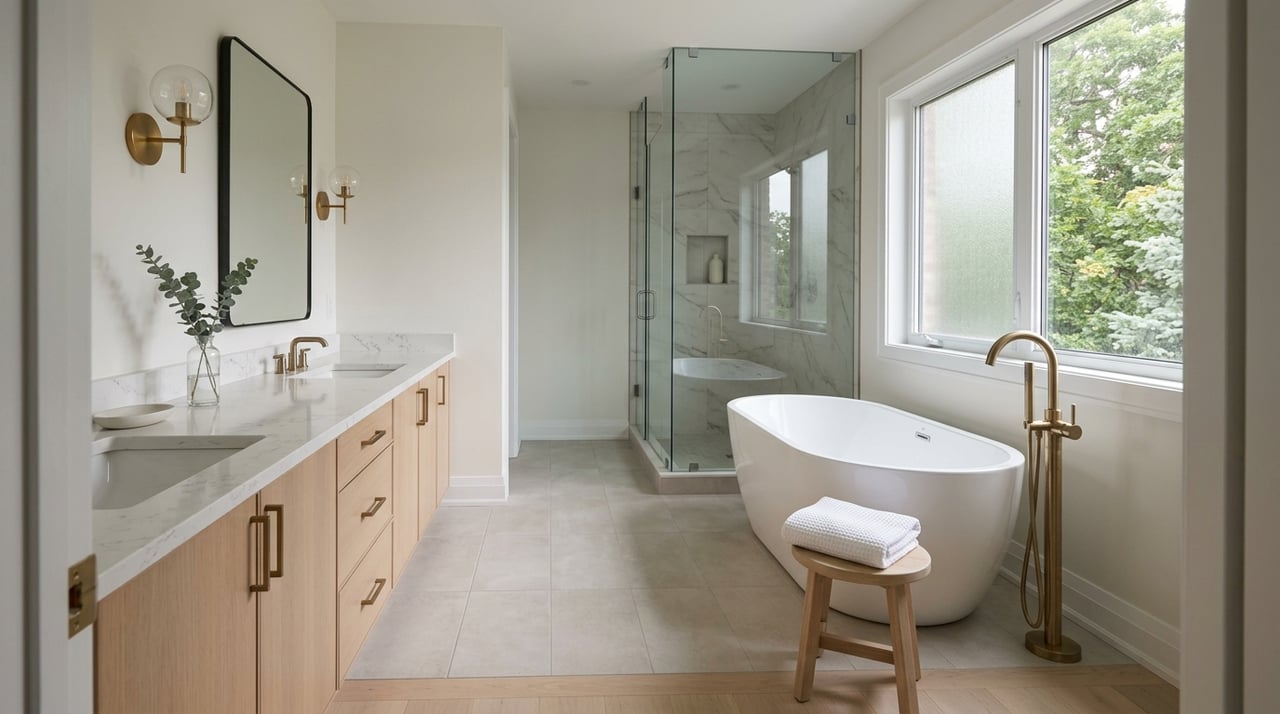
Pricing and presentation go together. If your home is competing with spotless model homes and fresh builder inventory, it has to look ready for move-in from the first photo.
The NAR guide to preparing your home for sale recommends cleaning, decluttering, improving curb appeal, considering a pre-sale inspection, and using staging. It also notes how important photos are in attracting buyers.
Focus on perceived value
Before listing, pay close attention to the details buyers notice first:
- Clean surfaces and reduce visual clutter
- Touch up paint and minor cosmetic wear
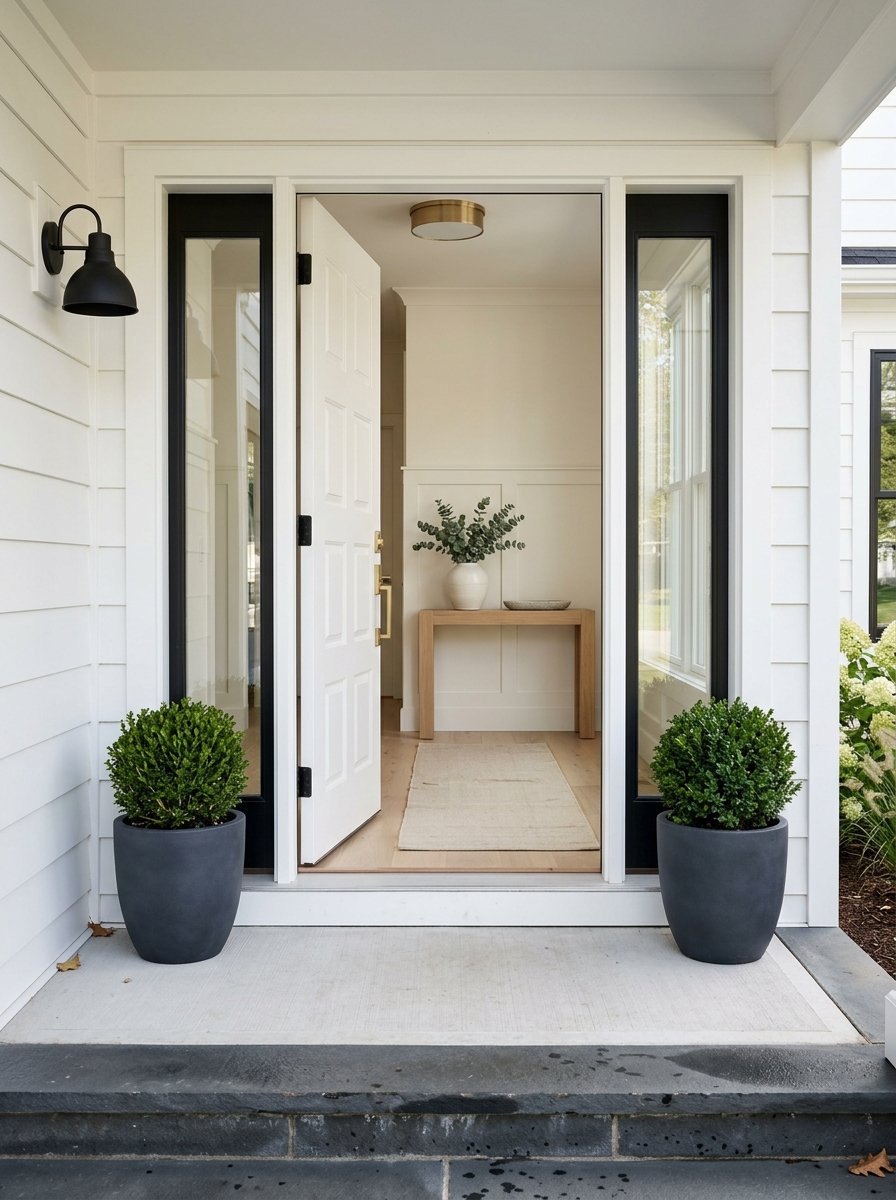
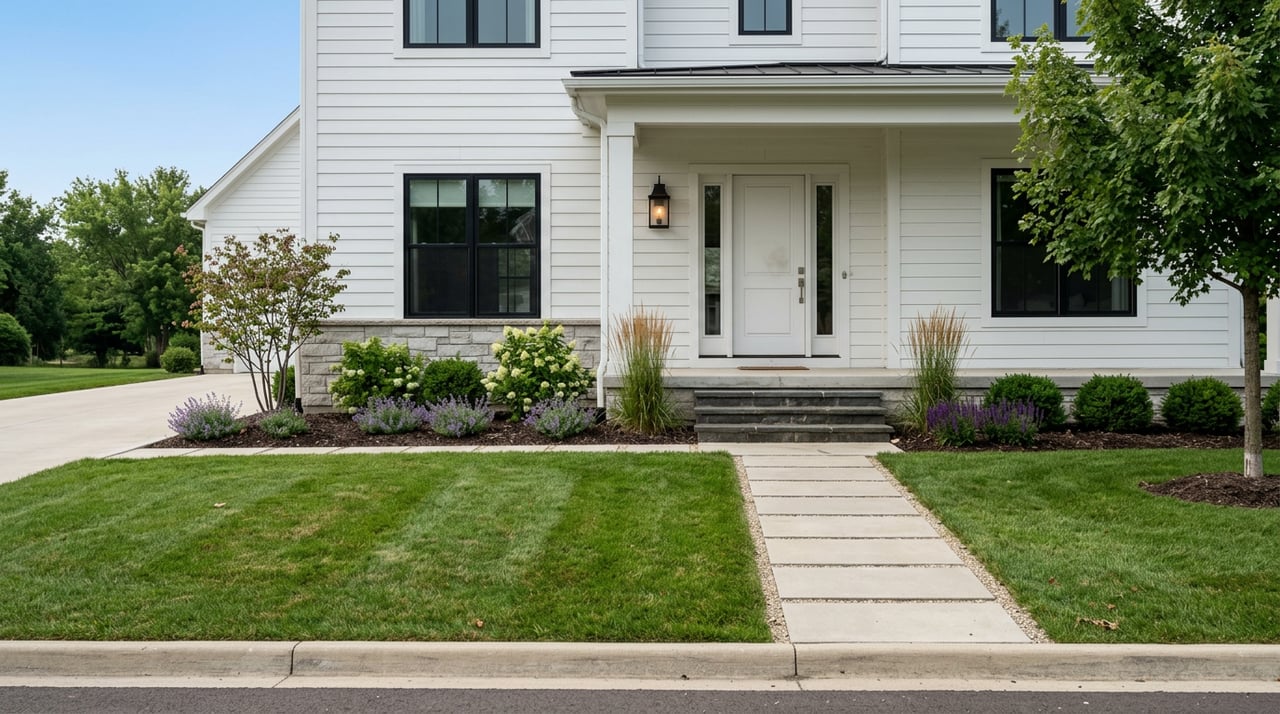
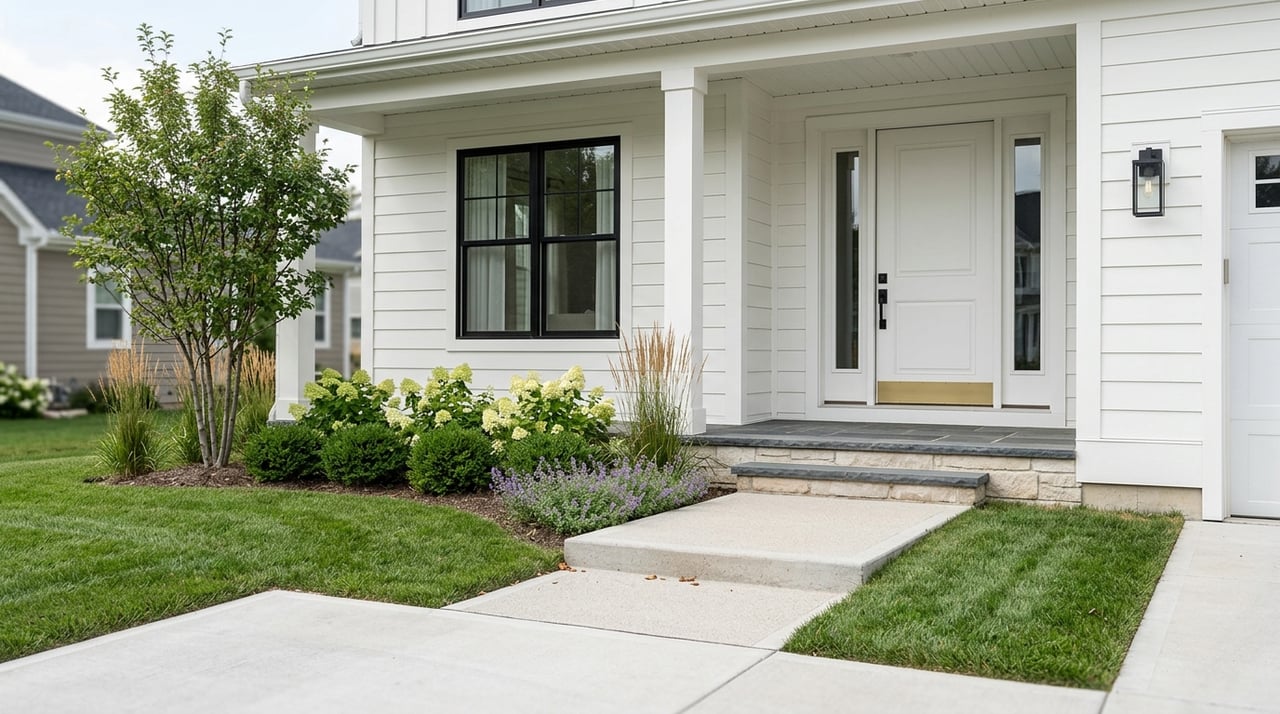
- Refresh entry landscaping and front-door appeal
- Make sure lighting feels bright and inviting
- Highlight upgrades that set your home apart
If your home looks polished and easy to maintain, buyers are more likely to accept your price. If it feels like they will need to do work right away, they may compare it more harshly against builder inventory.
A smart pricing framework for Gretna sellers
If you are pricing your Gretna new construction home to sell, a practical approach is to look at three things together: recent resale comps, the best nearby new-build substitute, and the cost of competing incentives.
Here is a simple framework:
- Identify your true segment based on home type, size, lot, age, and finish level.
- Study recent sold homes that closely match your property, not just broad neighborhood averages.
- Review active builder and resale competition that a buyer would realistically choose instead.
- Assess your presentation to see whether your home feels truly move-in ready.
- Choose your lever: list price, price adjustment, or concession.
This approach fits what the local and national data suggest right now. In a market where buyers are more price-sensitive and builders are using incentives, your goal is not just to pick a number. Your goal is to create the strongest overall value story.
The goal is net, not just list price
It is easy to focus on getting the highest possible list price. But the better question is what pricing strategy gives you the strongest final outcome.
A home that is priced well from the start may attract faster interest, stronger offers, and fewer rounds of negotiation. A home that starts too high may sit longer, invite price reductions, and weaken your position. In many cases, the best result comes from balancing price, presentation, and concessions rather than chasing the highest opening number.
If you want help pricing your Gretna home against both resale comps and active new construction, Emily Lynch can help you look at the full picture and build a strategy that fits your goals.
FAQs
How should you price a new construction resale home in Gretna?
- You should compare your home to both recent resale comps and active new-construction options in the same segment, including similar size, finish level, lot type, and features.
Are Gretna buyers comparing resale homes to builder inventory?
- Yes. Buyers are often comparing resale homes to active new builds, especially when builders are offering turnkey finishes or incentives that affect monthly payment.
Should you reduce the price or offer concessions on a Gretna home sale?
- It depends on your competition and buyer feedback. In some situations, a closing-cost credit or similar concession can be more effective than a price cut.
How long does it take homes to sell in the 68028 area?
- According to Redfin’s February 2026 data for 68028, the median days on market was 69, though timing can vary widely by price point, lot appeal, and finish level.
What features help a Gretna resale compete with new construction?
- Clean presentation, updated finishes, strong photos, curb appeal, and a move-in-ready feel can help your home compete more effectively with builder inventory.