Thinking about selling in Millard but not sure where to start? A little planning goes a long way toward a faster sale and a lower-stress move. In this guide, you’ll get a practical, week-by-week checklist tailored to Millard and the Omaha climate, plus smart updates that deliver value and tips to launch your listing strong. Let’s dive in.
What Millard sellers should know now
As of March 2026, portal snapshots for Millard can show different medians depending on whether they track list price or sold price, how they draw neighborhood boundaries, and which time window they use. That is normal. Use those portals as general context, then get a local, date-stamped comparative market analysis for your exact subdivision and home type.
Inventory across Omaha has been tight. The City of Omaha’s 2025 Affordable Housing Report notes about 1.6 months of supply as of April 2025, which is below a balanced market and often favors sellers. Low supply can help your days on market, but if more homes hit the market at once, your listing still needs to stand out. Pair timing with strong presentation and pricing discipline. Review the City of Omaha report for context.
Seasonally, spring tends to bring more buyers, while winter often brings fewer but motivated shoppers. Your best timing balances life needs with local comps, prep work, and a clear launch plan.
Your week-by-week prep plan
10–12 weeks out: plan and declutter
- Meet a trusted local agent for a comparative market analysis and a prioritized prep list. The right advice helps you avoid over-spending on low-ROI projects.
- Start decluttering room by room. Sort items into keep, donate, sell, and store. Early packing makes showings easier and rooms feel bigger.
- If you’re considering any larger projects, gather contractor bids now and schedule work. The National Association of Realtors suggests contacting pros early and focusing on projects with clear cost recovery. See NAR’s consumer guide on hiring contractors.
6–8 weeks out: cosmetic wins and curb appeal
- Refresh high-impact surfaces with neutral paint, repair caulking and grout, and replace burnt-out bulbs. Simple fixture and hardware swaps can modernize the look without a big spend. NAR’s remodeling guidance highlights small projects that often recoup costs.
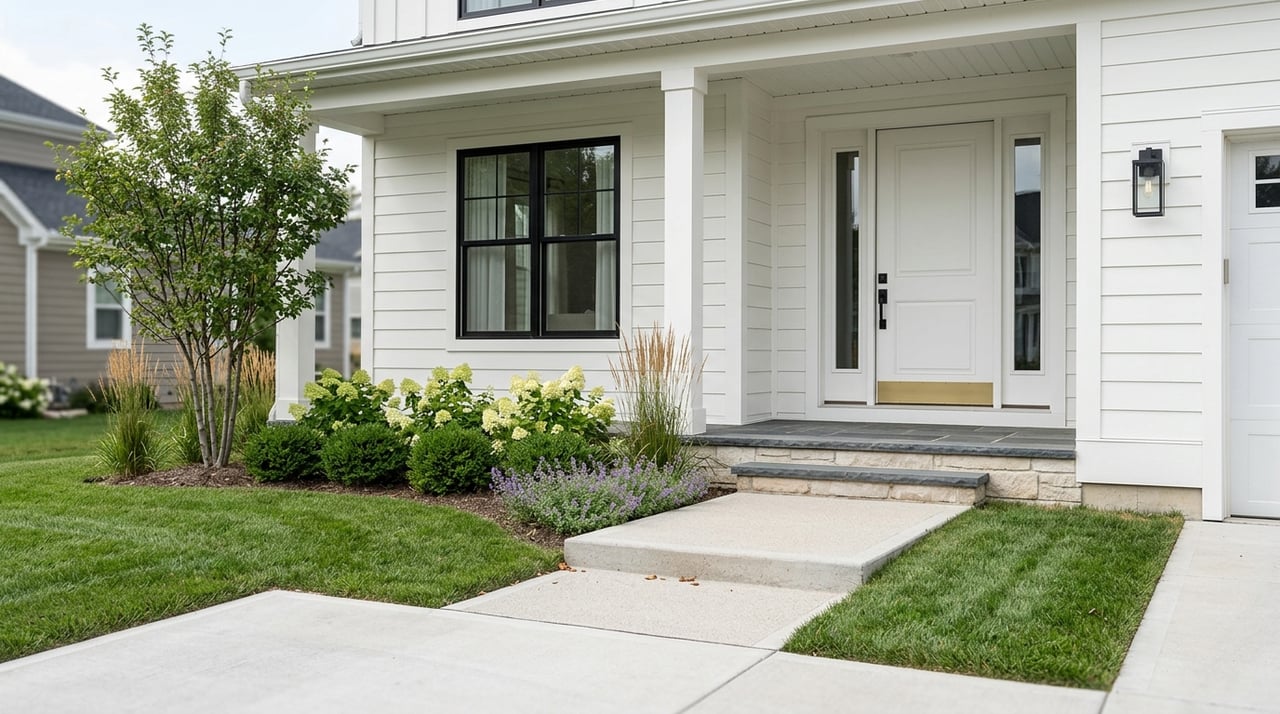
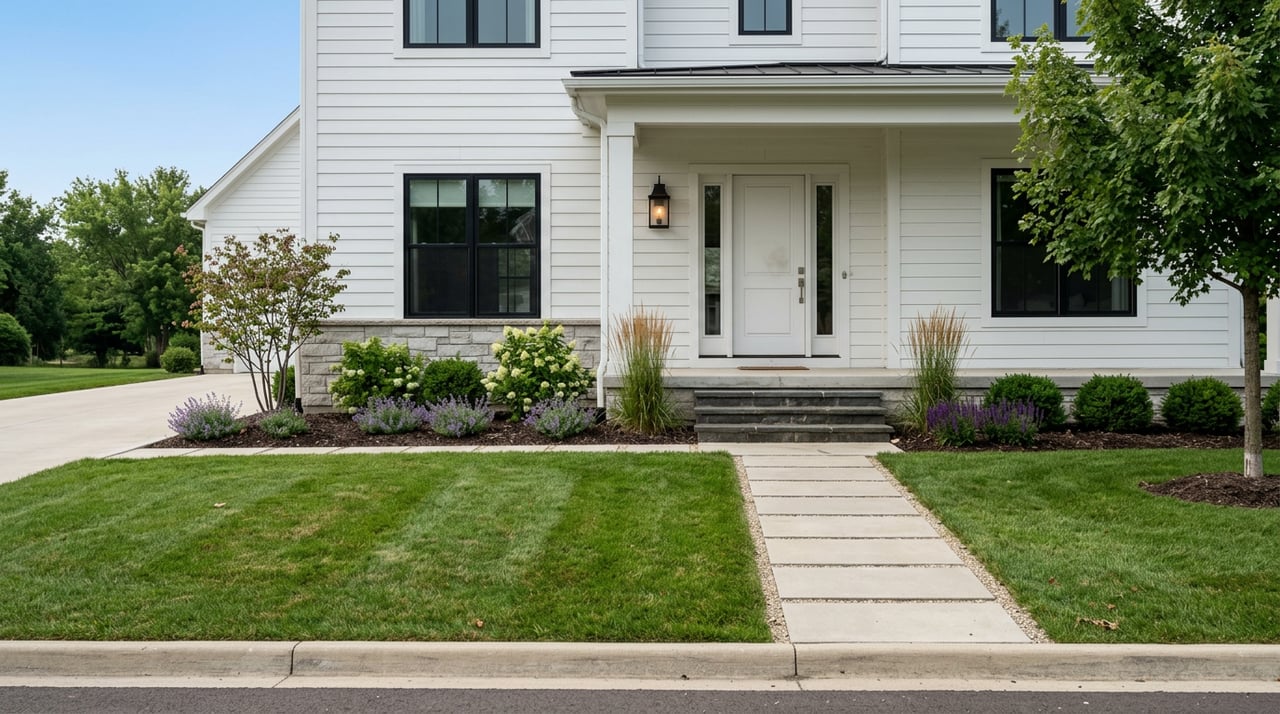
- Tidy landscaping: prune, edge, and add fresh mulch. Plan any mailbox or house number upgrades if they feel dated.
- Time yard work for photos. Aim to finish the big refresh 1–2 weeks before photography so beds look fresh and clean.
3–4 weeks out: stage and book vendors
- Stage the rooms buyers notice most: living room, primary bedroom, and kitchen. The National Association of Realtors reports that staging helps buyers visualize the home, reduces time on market, and can lift offers modestly. Review NAR’s 2025 Profile of Home Staging.
- Book professional photography. If your lot or setting is a selling point, consider a 3D tour or drone photos. Schedule photos after staging is complete so every image shines.
- Consider a pre-listing inspection. It can surface repair items early and reduce surprises later. Weigh the cost and your timeline before you decide.
1–2 weeks out: shine and finalize
- Deep clean top to bottom, including carpets, windows, vents, and ovens. A spotless home photographs better and feels move-in ready.
- Create a buyer info packet: receipts and permits for recent work, utility averages, and any HOA docs. If helpful for buyers, include neutral school assignment information from the district’s public resources. You can look up assignments through Millard Public Schools.
- Set thermostats for comfort during showings and confirm all lights work. Finish final staging touches.
Listing week: launch strong
- Choose a high-visibility listing day so early showings and weekend traffic align.
- Be showing-ready from day one. The first two weeks are critical for momentum. Stay flexible on showing windows to maximize exposure.
- Watch early feedback and be ready to adjust pricing or presentation with your agent’s guidance.
Staging and small updates with ROI
Staging is one of the highest-impact, lower-cost ways to elevate your listing. The National Association of Realtors’ 2025 staging report notes that many buyer agents say staging helps buyers visualize living in a home. Seller agents often report shorter market times and modest price uplifts. Prioritize the spaces buyers value most and let quality photos do the heavy lifting online. See NAR’s 2025 staging report for details.
Quick updates that pay back
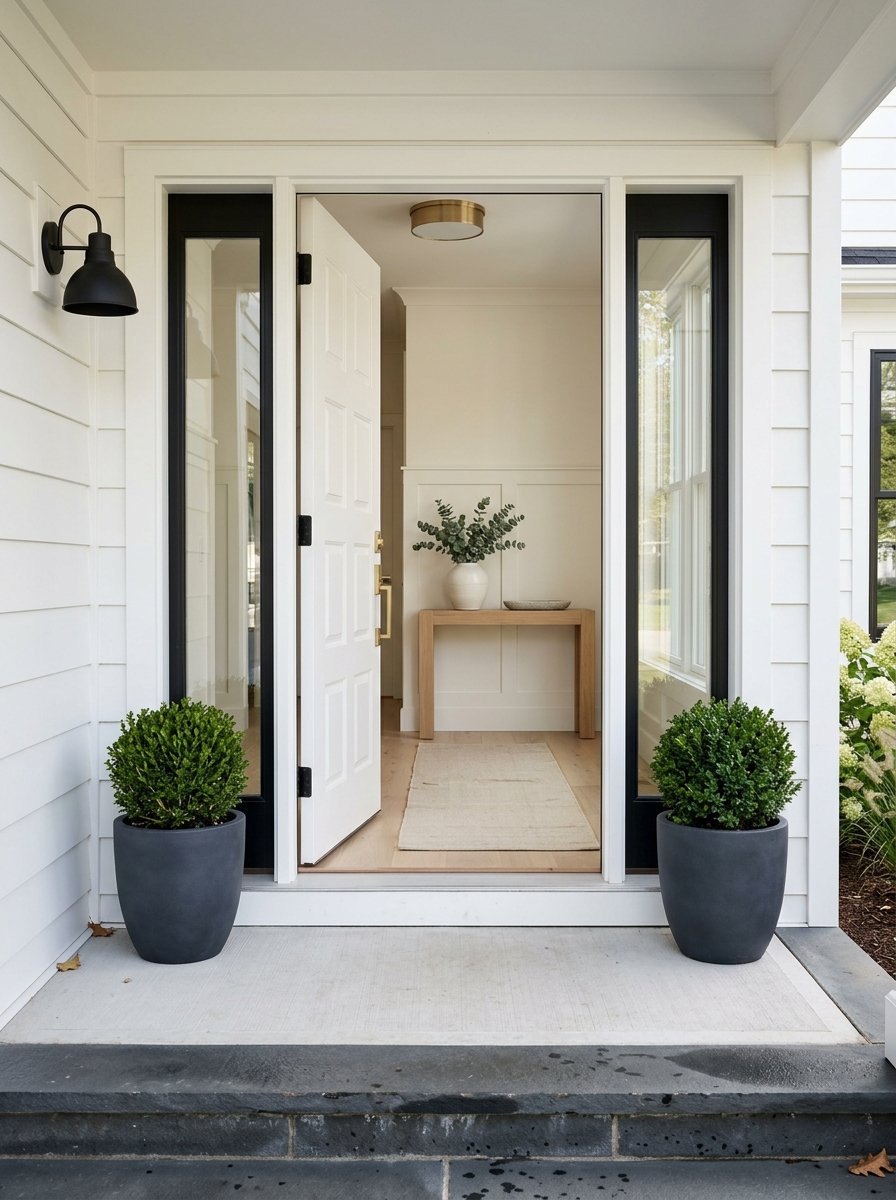
- Refresh the front door. A steel or fiberglass door replacement often posts strong cost recovery in survey research and sets a confident first impression.
- Swap dated hardware and lighting. Consistent finishes and warm, well-placed lighting make rooms feel current.
- Tackle a modest kitchen refresh. Paint cabinet fronts, update pulls, and consider a simple backsplash to brighten the space.
- Do focused bathroom touch-ups. Recaulk, regrout, and replace leaky fixtures or chipped mirrors.
- Improve closets. Simple organization systems can make storage feel more abundant.
For contractor help and tips on scoping work, review NAR’s consumer guide on hiring remodeling contractors.
Smart staging priorities
- Living room: remove extra furniture, define seating, and add simple, neutral textiles.
- Primary bedroom: aim for calm and hotel-clean. Neutral bedding, clear nightstands, and good lighting matter.
- Kitchen: clear counters, style a few simple vignettes, and make appliances sparkle.
- Throughout: depersonalize, hide cords, and open blinds for light. Keep fragrances light and neutral.
Curb appeal by Omaha season
Millard sits in the Omaha area, which aligns with USDA hardiness zones near 5b–6a. The average last spring frost usually falls in late April. Use that date to plan sensitive plantings and lawn treatments. Check the Omaha planting calendar.
Spring checklist
- Clean up winter debris, edge beds, and add fresh mulch for crisp photos.
- Apply crabgrass pre-emergent when soil temperatures hold near 55–60°F, not by the calendar. UNL turf experts recommend watching soil temps through local resources. Review UNL’s timing guidance.
- Prune dead wood from trees and shrubs after the hardest freezes pass. Avoid heavy pruning too early.
Summer checklist
- Water deeply and less often, ideally early in the day.
- Mow cool-season turf at 3.0 to 3.5 inches to promote healthy growth and reduce weed pressure. See UNL turf recommendations.
- Touch up mulch and keep walkways clean for showings.
Fall checklist
- Aerate and overseed in early fall for the best recovery on cool-season lawns. This timing usually beats spring aeration.
- Mulch-mow or remove leaves so they do not smother turf before winter.
Timing tip: schedule your biggest yard refresh 1–2 weeks before listing photos. Keep up with mowing, edging, and quick touch-ups during showings.
Photos, marketing, and showings
High-quality, well-lit photography makes your listing stand out online and can help it sell faster. If your setting is a strength, consider a 3D tour or selective drone images. Book your shoot after staging is complete so every shot captures your best look.
Showings: what to expect
- Be flexible on showing times, especially in the first two weeks, to capture early demand.
- Keep the home tidy daily. A simple checklist by the door helps with last-minute showings.
- Secure valuables and sensitive documents.
- Provide a simple information packet for buyer agents that includes receipts for recent work, utility data, and any relevant documents. This builds confidence and can speed decisions.
Inspections and disclosures
A pre-listing inspection can reveal issues on your schedule and reduce later renegotiations. Some sellers prefer not to inspect before listing. Talk through pros and cons with your agent based on your home’s age, your timeline, and local norms. Either way, be ready to complete disclosures accurately.
Smooth moving and closing
Start planning your move early. Price and reserve movers, consider short-term storage if you will be overlapping closings, and discuss strategies like a possible rent-back with your agent if you need extra time after closing. Confirm utility transfer dates and schedule a final clean so the buyer’s last walkthrough goes smoothly.
Quick Millard seller checklist
- 10–12 weeks: meet an agent for a CMA and plan; start decluttering; gather contractor bids. NAR contractor guide
- 6–8 weeks: complete high-impact cosmetic updates; plan landscaping; schedule a staging consult. NAR staging insights
- 3–4 weeks: finish staging; book pro photos and any 3D tours after staging.
- 1–2 weeks: deep clean; prepare a buyer info packet; set thermostats; confirm all lights and systems.
- Listing week: launch on a high-visibility day; allow flexible showings; monitor feedback and adjust if needed.
Ready to sell with less stress and a stronger outcome? Reach out for a tailored plan, local comps, and a concierge-style prep and marketing strategy from a team that knows Millard. Schedule Your Free Consultation with Emily Lynch.
FAQs
When is the best time to sell in Millard?
- Spring often brings more buyer activity, but your best timing balances life needs, local comps, and how prepared your home is to launch.
How long should I plan for pre-list prep?
- Most sellers benefit from an 8–12 week runway to declutter, complete small updates, stage, and book vendors without rushing.
Which updates usually deliver the best ROI before listing?
- Focus on visible, lower-cost wins like a fresh front door, updated lighting and hardware, neutral paint, and modest kitchen or bath touch-ups.
Do I need a pre-listing inspection in the Omaha area?
- It is optional. A pre-inspection can reveal issues early and build buyer confidence, but discuss pros and cons with your agent based on your timeline and goals.
How should I time lawn care and planting for Omaha’s climate?
- Use the average last frost in late April as a guide, apply crabgrass pre-emergent when soil temps hold near 55–60°F, and mow cool-season turf around 3.0–3.5 inches.
Why do online price estimates vary for Millard?
- Portals track different metrics and boundaries. Treat them as general context and request a date-stamped CMA for your exact property and subdivision.