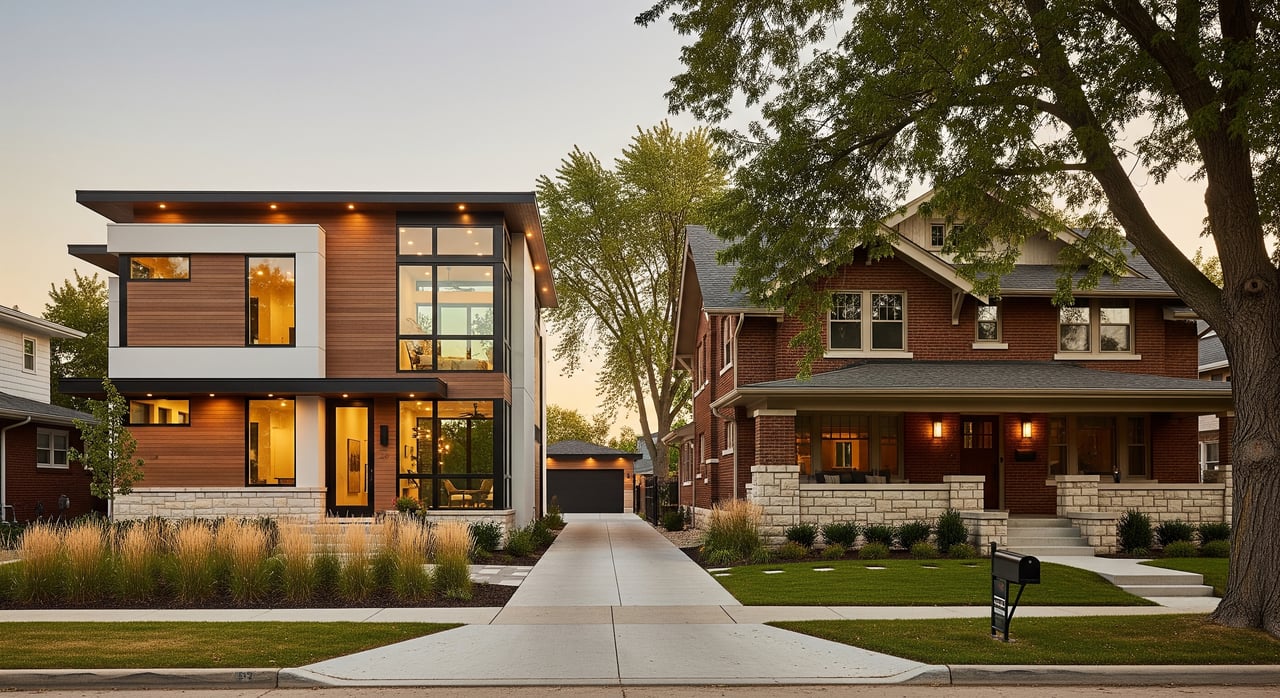
Should you stretch for a brand-new home in Gretna or focus on an existing property that may cost less upfront? It is a common question, especially as Gretna grows and new subdivisions take shape. You want the right fit for your budget, your timeline, and your long-term plans. In this guide, you will compare costs, timelines, warranties, risks, and resale factors so you can choose with confidence. Let’s dive in.
Gretna market context you should know
Gretna continues to add new neighborhoods as part of the Omaha metro’s steady growth. City planning decisions, subdivision approvals, and available lots influence where new homes appear and how fast they sell. That activity affects pricing, HOA rules, commute options, and future resale.
Before you decide, verify a few local items. Review Gretna Public Schools boundaries, consider your commute routes into Omaha, and check subdivision covenants and HOA fees. Look into floodplain status using official maps and confirm property taxes and assessments through Sarpy County records, since new construction can be assessed differently than long-held homes.
True cost: new vs existing
Upfront price and cash to close
New construction starts with a base price, then adds a lot premium and your selected upgrades. Many buyers add finishes and features that increase the final purchase price and cash to close. Builders may offer incentives or contributions to closing costs, but you should still plan for deposits and fees.
With existing homes, the price is negotiated and often reflects recent comparable sales. Your upfront costs include earnest money, inspection fees, standard closing costs, and possible repair escrows. You may negotiate seller concessions based on inspection findings or market conditions.
Financing and rate lock
For new builds, you may see construction-to-permanent loans, builder-arranged financing, or standard mortgages if you buy a finished spec home. Longer build times can expose you to rate changes, though some lenders offer extended locks or float-down options. Always compare a builder’s preferred lender incentives with independent quotes.
For existing homes, the process is more straightforward. Typical contract-to-close ranges from about 30 to 60 days, which makes rate locks simpler and reduces timeline risk.
Monthly and ongoing costs
Property taxes for new construction may be assessed differently at first, so review Sarpy County procedures and look up recent tax bills by subdivision and year of build. Insurance on newer homes can be lower at the start due to new systems and code-compliant materials, but premiums still depend on replacement costs and location.
Many new homes feature efficient HVAC, windows, insulation, and appliances that can reduce utility costs. New subdivisions often include HOA dues, which pay for shared amenities or maintenance. Existing homes might sit outside HOAs but can need larger near-term maintenance reserves for repairs or system replacements.
Soft costs, time, and incentives
If you are waiting for a home to be built, budget for carrying costs like rent or a current mortgage. Builder upgrades can be marked up, so compare the value versus doing some work after closing on an existing home. Builder incentives can offset part of the price gap, especially if they include closing costs, appliance packages, or rate buydowns.
Timing, inspections, and warranties
Typical timelines
Spec homes that are already framed or finished can often close in 30 to 90 days, depending on completion and your lender. Build-to-order homes can take roughly 4 to 12 months, and weather, materials, permits, and inspections can cause delays. Existing homes usually close in 30 to 60 days.
Inspections that matter
For new construction, plan a pre-drywall inspection to review rough-in electrical, plumbing, and HVAC, then a final inspection and walk-through for punch-list items. Even on brand-new homes, hire an independent inspector. Add specialty inspections if needed, such as radon testing. Confirm that municipal inspections are complete and that the builder has the certificate of occupancy before closing.
For existing homes, order a comprehensive home inspection that covers structure, roof, major systems, and safety items. If concerns come up, follow with specialist inspections such as sewer scope, mold, or structural reviews.
Warranties and protections
Builders commonly provide tiered coverage. Many use a structure that includes a 1-year workmanship warranty, a 2-year systems warranty, and a 10-year structural warranty. Each builder sets its own terms, limits, and claim process, so read the documents closely. For existing homes, you can consider a home warranty policy for the first year to cover certain systems and appliances.
New-build contracts may include change-order rules and non-refundable deposits for upgrades. Document punch-list items at final walk-through and ask about warranty response timelines. If items remain unfinished at closing, some buyers negotiate an escrow or retention, although local practice varies.
Resale and appreciation factors
Location first
Over time, location drives value more than whether a home is new or existing. In Gretna, that often means considering school boundaries, commute routes, lot orientation, and neighborhood character. Established in-fill areas can outperform newer edge-of-town product depending on buyer demand.
New build resale
New homes often attract buyers with modern floor plans, energy efficiency, and low maintenance. Warranties and new systems can reduce early repair costs. Keep in mind that the initial “brand new” premium may not fully carry over at resale if similar new inventory keeps entering the market.
Existing home resale
Existing homes can offer unique features, mature landscaping, and established neighborhood settings. You might buy below replacement cost and add value with targeted updates. Weigh that against possible near-term repairs and older systems.
Breakeven thinking
If you plan to move within 3 to 5 years, think carefully about how long it takes to recoup a new-build premium. Here is a simple example. If a new build costs 40,000 dollars more than a comparable existing home after upgrades and lot premium, and you expect a 1 percent higher annual appreciation for your location and product, estimate the years to recoup by dividing the 40,000-dollar gap by the expected annual value increase. If your home value is 450,000 dollars, a 1 percent difference equals 4,500 dollars per year, which suggests roughly 9 years to breakeven. Adjust the inputs for your scenario.
Step-by-step decision framework
Define priorities. List your timeline, must-have customizations, budget flexibility, risk tolerance for delays, and how long you plan to stay.
Gather local comparables. Pull recent MLS comps for existing homes and review list or spec prices for new builds in your target Gretna subdivisions.
Itemize true costs. Use the worksheet below to compare cash to close and total monthly ownership for one new build and one existing home.
Evaluate non-financial fit. Consider schools, commute, HOA rules, amenities, and day-to-day lifestyle.
Run breakeven and sensitivity tests. Change the interest rate, build time, and upgrade budget to see how your outcome moves.
Plan contingencies. If building, plan temporary housing or a bridge solution. If buying existing, set aside funds for inspection-driven repairs.
Budget worksheet: fields to include
Use these fields to build your comparison in a spreadsheet.
- Header: Property address or lot, builder or listing info, date
- Purchase data: agreed price, lot premium, itemized upgrades, and any incentives or concessions
- Cash to close: earnest money, initial deposits or builder escrow, estimated closing costs, prepaid items, and total cash to close
- Financing and monthly: loan amount, interest rate and lock date, loan type, monthly principal and interest, estimated taxes, homeowner’s insurance, HOA dues, PMI if needed, utilities, and a maintenance reserve
- One-time and periodic: immediate repairs or updates for existing homes, landscaping or lot finishing for new builds, and appliance or furnishing needs
- Warranties and credits: builder warranty details or home warranty cost, and any estimated energy savings
- Risk and contingency: contingency reserve and potential carrying costs if a build is delayed
- Breakeven: incremental cost of new over existing, expected annual appreciation difference, and years to recoup using your assumptions
- Notes and sources: where you pulled each estimate, such as MLS, assessor, insurance, lender, or builder quotes
How to use this in Gretna
- Verify taxes and assessments. Review Sarpy County records for recent tax bills by subdivision and year built, and ask how new construction is assessed after completion.
- Confirm floodplain. Check official flood maps, since some lots in and around Gretna can have drainage or flood restrictions.
- Review HOA rules. New subdivisions often have covenants that affect fencing, landscaping, and exterior changes, which can influence future costs.
- Compare commute options. Proximity to major corridors shapes your buyer pool and long-term resale.
Ready for a side-by-side comparison?
You can use this guide to build your own worksheet, or you can ask us for an editable spreadsheet with example inputs and formulas. We can help you plug in local comps, current lender estimates, and realistic timelines, then walk through your breakeven. If you want a local, hands-on partner for Gretna new builds or existing homes, reach out to Emily Lynch to get started.
FAQs
Can you negotiate with a builder in Gretna?
- Yes, pricing, upgrades, closing costs, and rate buydowns are often negotiable depending on demand and available inventory, so compare offers and incentives.
Can you use your own lender and inspector on a Gretna new build?
- Usually yes, but confirm the contract language; independent inspections at pre-drywall and final stages are recommended.
How are property taxes set for new construction in Sarpy County?
- The assessor typically bases taxes on the completed home’s market value; new builds may see changes after initial assessment, so review recent nearby tax bills.
What if construction delays affect my rate lock?
- Ask your lender and builder about lock extension policies and whether any rate protections or float-down options are available, and budget for possible fees.
Are new homes in Gretna more energy efficient?
- Generally yes, due to modern codes and newer systems, though actual savings depend on the exact materials, equipment, and how you use the home.
Should you buy a home warranty for an existing Gretna home?
- Consider a one-year home warranty for first-year peace of mind on systems or appliances, and compare coverage limits, caps, and deductibles.
What inspections are best for Gretna buyers?
- For existing homes, get a full home inspection plus specialists as needed; for new builds, add pre-drywall and final inspections and confirm certificate of occupancy.