Trying to choose between a villa, a townhome, and a single-family home in Gretna? You are not alone. Many buyers see these labels in listings and assume they tell the whole story, when the real difference usually comes down to privacy, maintenance, and how the lot and HOA work. If you want a clearer way to compare your options before you tour, this guide will help you understand what each home type usually means in Gretna. Let’s dive in.
How Gretna defines each home type
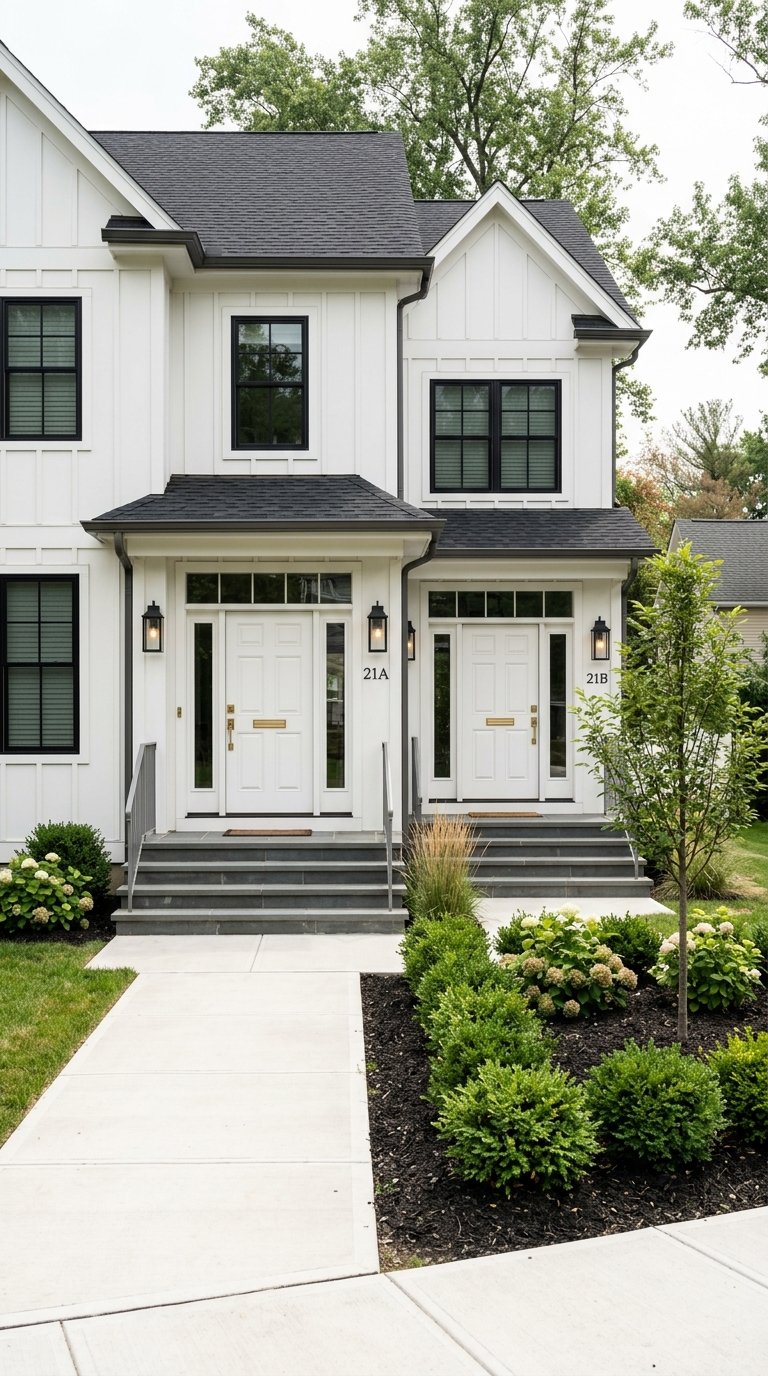
Gretna’s zoning code gives a useful starting point. A townhouse is a one-family dwelling with a private entrance that is attached horizontally to other units in a row. The code also allows a common-wall side yard of 0 feet, which helps explain why townhomes often have closer spacing.
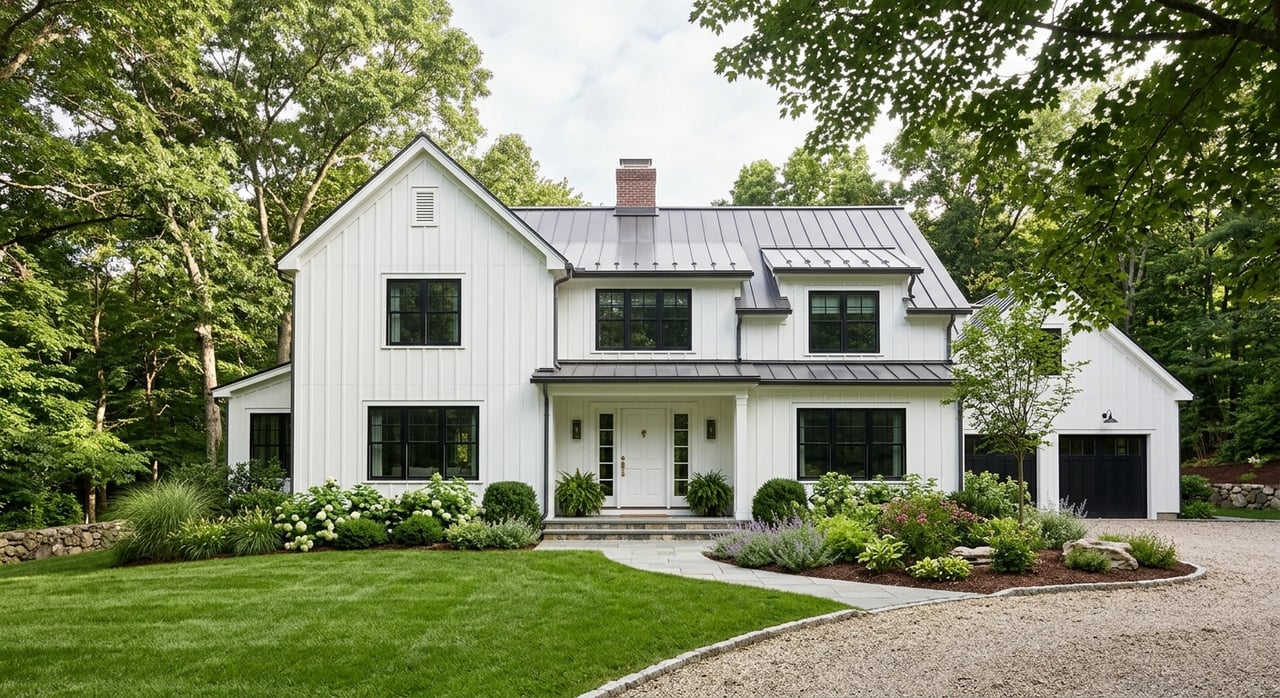
A single-family detached home is defined as a dwelling surrounded by open space on the same lot. Gretna’s R-4 residential district includes villas, townhouses, condominiums, and other higher-density housing forms. Planned unit development rules can also allow reduced setbacks, including zero lot line setbacks, with common open space managed through an HOA or similar association.
In everyday buyer language, that means “villa” is usually more of a style and lifestyle label than a separate legal category. In Gretna, the biggest differences are often who handles the exterior work, how close your neighbors are, and how much control you have over the yard and outside of the home.
Gretna villas at a glance
In Gretna listings, villa or villa/patio home usually points to a low-maintenance home in an HOA community. These homes are often detached, which gives many buyers a single-family feel without the full exterior workload. That mix is a big reason villas appeal to downsizers and buyers who want easier day-to-day living.
Recent Gretna villa-style examples range from about 1,445 to 3,214 square feet. Many offer 2 to 4 bedrooms and 2 to 3 bathrooms. Listings commonly highlight features like quiet streets, green space, trail views, and a worry-free lifestyle.
The biggest draw is maintenance support. In current Gretna examples, HOA coverage may include:
- Lawn care
- Snow removal
- Trash service
- In some cases, a community pool
If you want less yard work but still prefer a detached-home setup, a villa may feel like the middle ground. You often get more privacy than a townhome, while still handing off many exterior chores to the HOA.
Gretna townhomes at a glance
Townhomes are the most clearly defined attached option in Gretna. Because they share one or more walls with neighboring units, they usually offer the closest living arrangement of the three property types. For many buyers, that tradeoff makes sense because townhomes often come with the most HOA support.
Current search results suggest Gretna has far fewer townhomes available than detached homes. Active inventory reviewed showed about 19 to 21 townhomes compared with about 185 to 188 single-family homes. That smaller supply can matter if you want an attached home in a specific part of Gretna.
Townhome examples reviewed in Gretna ranged from roughly 1,511 to 2,362 square feet, with prices from about $280,000 to $535,000. HOA coverage in some current examples can be extensive and may include:
- Building insurance
- Lawn care
- Snow removal
- Exterior maintenance and painting
- Water
- Sprinkler systems
- A neighborhood pool
If your goal is the lowest exterior workload, a townhome may be the easiest fit. The tradeoff is usually less privacy because of shared walls and closer spacing.
Gretna single-family homes at a glance
Single-family detached homes give you the most traditional ownership setup in Gretna. Because the home is surrounded by open space on its own lot, this option usually gives you the most privacy and the most freedom in how you use your yard. That flexibility is often the main reason buyers choose detached homes.
Current Gretna single-family listings show a much wider size range than attached housing. Reviewed examples ranged from about 2,053 to 4,356 square feet, with lot sizes from roughly 7,927 square feet to 0.5 acre. Some also back to parks or commons, which can create a more open feel.
Detached does not always mean no HOA. Some current Gretna single-family examples had no HOA, while others showed small monthly dues such as $6, $8, or $17. Even so, single-family homes usually place the most responsibility on you for landscaping, snow removal, and ongoing exterior upkeep.
The biggest differences for buyers
When you compare these home types in Gretna, three issues matter most: maintenance, privacy, and control. The name on the listing matters less than how the property actually functions. That is why it helps to look past the headline and ask better questions.
Here is the simplest way to think about it:
- Villas usually offer low-maintenance living in a detached-home format
- Townhomes usually offer shared-wall living with the most HOA coverage
- Single-family homes usually offer the most privacy and yard control, with the most owner-managed upkeep
If you travel often, want less exterior work, or simply do not want to spend weekends on yard care, a villa or townhome may be a smart fit. If you want more separation from neighbors and more freedom outdoors, a detached home may be worth the extra responsibility.
Compare Gretna home types side by side
| Home Type | Typical Layout | Privacy Level | HOA Involvement | Exterior Work |
|---|---|---|---|---|
| Villa | Often detached in a planned community | Moderate to high | Often covers lawn, snow, trash, and sometimes amenities | Lower |
| Townhome | Attached with shared walls | Lower | Often the highest level of coverage | Lowest |
| Single-family | Detached on its own lot | Highest | Varies widely, from none to small dues | Highest |
This quick comparison can help you narrow your search faster. Still, every community is different, so it is important to confirm what is included before you fall in love with a home.
Questions to ask during a tour
In Gretna, the smartest touring questions usually focus on what you will own, what the HOA will handle, and what future costs could look like. This matters with villas and townhomes, but it also matters with detached homes that still have association dues.
Ask these questions when you tour:
- What exactly does the HOA cover?
- Are roof, siding, exterior paint, lawn, snow, trash, irrigation, or water included?
- Does the home share a wall with another unit?
- Is the home on a zero-lot-line boundary?
- Are there restrictions on fences, pets, rentals, or exterior changes?
- Are any special assessments or major projects pending?
- How well funded are the HOA reserves?
These answers can affect both your monthly budget and your day-to-day lifestyle. A lower list price does not always mean lower monthly ownership cost if dues, insurance, and maintenance add up quickly.
Focus on total monthly cost
One of the easiest mistakes buyers make is comparing only the purchase price. In Gretna, a villa or townhome may come with higher HOA dues but lower ongoing exterior costs. A detached home may have fewer dues but more direct owner expenses over time.
A better way to compare is to look at your total monthly carrying cost, including:
- Mortgage payment
- Property taxes
- Insurance
- HOA dues
- Expected maintenance costs
That full picture often makes the decision clearer. The best home type for you is not just about space or style. It is about how the home fits your budget, your schedule, and the level of upkeep you want to manage.
Which Gretna home type fits you best?
If you want a home that feels detached but requires less outside work, villas often make the most sense. They are especially appealing if you want easier maintenance without giving up too much privacy. For many buyers, that balance is hard to beat.
If you want the simplest exterior ownership experience and are comfortable with attached living, a townhome may be the strongest match. This can be a practical choice for first-time buyers, busy professionals, or anyone who wants a more predictable maintenance routine.
If privacy, yard use, and flexibility matter most, a single-family home is usually the better fit. You will likely take on more maintenance, but you may gain more control over how the property works for your day-to-day life.
If you are weighing your options in Gretna and want help matching your lifestyle and budget to the right property type, Emily Lynch would be glad to help you compare homes, communities, and monthly costs with a local, practical approach.
FAQs
What is a villa in Gretna, Nebraska?
- In Gretna, a villa usually refers to a low-maintenance home in an HOA community, often with a detached-home feel and HOA coverage for items like lawn care and snow removal.
What is a townhome in Gretna, Nebraska?
- Gretna defines a townhouse as a one-family dwelling with a private entrance that is attached horizontally to other units, usually with shared walls and closer spacing.
Are Gretna villas usually detached or attached?
- In Gretna listing language, villas are usually marketed as low-maintenance homes that are often detached, though buyers should still confirm lot lines, setbacks, and HOA responsibilities.
Do Gretna single-family homes always have no HOA?
- No. Some Gretna single-family homes have no HOA, but others may have small monthly dues, so it is important to verify association details for each property.
What does a Gretna townhome HOA usually cover?
- Coverage can vary, but current examples show townhome HOAs may include building insurance, lawn care, snow removal, exterior maintenance, painting, water, sprinkler systems, and a neighborhood pool.
How should buyers compare Gretna villas, townhomes, and single-family homes?
- The clearest comparison is to look at privacy, maintenance responsibility, HOA coverage, and total monthly carrying cost instead of focusing only on the list price.